The Psychology Behind Clinginess: Why Some Kids Avoid Strangers (And How to Support Them)
Discover the psychology behind children’s clinginess, why they avoid strangers, and gentle ways parents can support them with confidence.
12/2/20253 min read

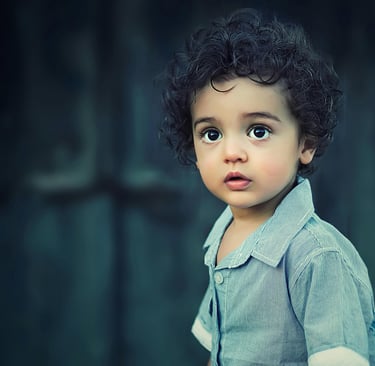
Every parent has faced this moment: you walk into a family gathering, a new class, or a neighbour’s house…and your child instantly clings to your leg as if their safety depends on it.
They refuse to make eye contact, hide behind you, or quietly whisper, “Don’t leave me.”
Before you worry, here’s the truth:
Clinginess isn’t a flaw. It’s communication.
And behind that behaviour is a fascinating mix of psychology, temperament, and environment that shapes how children respond to new people.
Let’s break it down in a way that helps you understand your child better — and support them without pressure or fear.
1. Attachment Styles: The Foundation of Their Emotional World
A child’s first relationship — usually with a caregiver — becomes their emotional blueprint.
Secure Attachment (The goal, and more common than you think!)
Children with secure attachment trust that their caregiver will return, protect them, and respond to their needs.
Even they can show clinginess in new situations, because staying close to a familiar figure feels safe.
Anxious/Resistant Attachment
These kids may cling more intensely because they fear separation.
They stay alert, checking if the parent is still there.
This isn’t because of “bad parenting” — it can come from early stress, inconsistent routines, or simply a naturally sensitive temperament.
Avoidant Attachment
Some kids don’t cling at all — they avoid closeness.
But this doesn’t mean they’re confident; they may be hiding stress internally.
Clinginess, in most cases, means your child trusts you enough to express their fear openly. That’s emotional safety.
2. Temperament: Every Child Is Born With Their Own “Wiring”
Some children are naturally sociable.
Others take longer to adjust.
Both are NORMAL.
The Slow-to-Warm-Up Child
These kids need time before approaching new people.
They observe first, participate later.
Clinginess is their way of saying:
“Let me observe things for a bit before I decide to join.”
Highly Sensitive Children
They feel everything deeply — noises, faces, expressions, unfamiliar voices.
New people can feel overwhelming, leading to clinginess or withdrawal.
Shy or Introverted Temperament
These children aren’t scared — they simply prefer fewer interactions and need emotional warming-up.
Understanding temperament helps parents stop comparing their child to “confident” kids and start embracing who they are.
3. Environmental Factors: What’s Happening Around Them Matters
A child’s clinginess can increase during certain life phases or events:
• Major life changes
New school, shift in routine, a new caregiver—anything unfamiliar can trigger extra need for comfort.
• Overstimulation
Crowded spaces or too many faces can make young children retreat towards the safest person in the room: you.
• Negative experiences
A rough interaction, a loud stranger, or an overwhelming environment can make them cautious for weeks.
• Developmental leap phases
Between 8–24 months, stranger anxiety peaks.
But it can also return temporarily at ages 3–5 during emotional growth spurts.
Clinginess often spikes because the child is simply adjusting to something bigger than they can express.
4. How to Support a Clingy Child Without Forcing Them
Here’s what actually helps — backed by psychology and aligned with gentle parenting:
1. Stay Calm and Consistent
Children borrow your emotional tone.
If you’re relaxed, their fear softens.
2. Don’t criticize them with comments such as “Why are you being like this?”
Shaming increases anxiety and lowers confidence.
Instead, try:
“It’s okay. You can stay close until you feel comfortable.”
3. Give Them a Warm-Up Period
Arrive a little early.
Let them observe the environment before people approach them.
4. Offer Predictability
A brief introduction like,
“We will meet some new uncle-aunties. I’ll be right beside you.”
helps the child feel prepared.
5. Use Connection Items
A soft toy, familiar book, or even holding your hand can act as emotional armor in new spaces.
6. Avoid Forced Socializing
Avoid forcing your child to greet, hug, or join activities before they’re ready.
Forced interaction increases resistance.
Let them join when their body feels safe.
7. Celebrate Small Steps
Did they smile at someone new?
Look up for a second?
Stand without holding your hand?
These tiny wins matter.
5. When Should Parents Be Concerned?
Most clinginess is healthy and temporary.
But consider seeking guidance if:
The child becomes extremely distressed during all social interactions
They show ongoing fear toward familiar people
Avoid social settings entirely, even after repeated gentle exposure
The behavior interferes with school or daily functioning
Early support can make a big difference — and it’s not a reflection of your parenting.
The Final Takeaway: Clinginess Is a Sign of Trust, Not Weakness
Your child isn’t avoiding strangers because they’re “spoiled,” “over-attached,” or “too shy.”
They’re simply using the safest strategy they know: staying close to the person they trust most — you.
With patience, understanding, and gentle encouragement, clinginess fades naturally.
What stays forever is the confidence your child builds from your support.